

Estratégias para Opções Binárias que Funcionam
📈 Descubra estratégias para opções binárias que aumentam seus lucros e segurança. Aprenda análise, gestão de risco e evite erros comuns no mercado.
Editado por
Mariana Silva
Making a plastic fabric tote bag is a straightforward DIY project that combines practicality with eco-friendliness. Plastic fabric, often made from repurposed materials like woven polyethylene, is tough, water-resistant, and easy to clean—perfect for reusable bags.
Before starting, gather all necessary materials: a durable plastic fabric, strong thread (nylon or polyester works best), sharp scissors or rotary cutter, sewing needles or a sewing machine, pins or clips, and basic measuring tools like a ruler or tape measure.
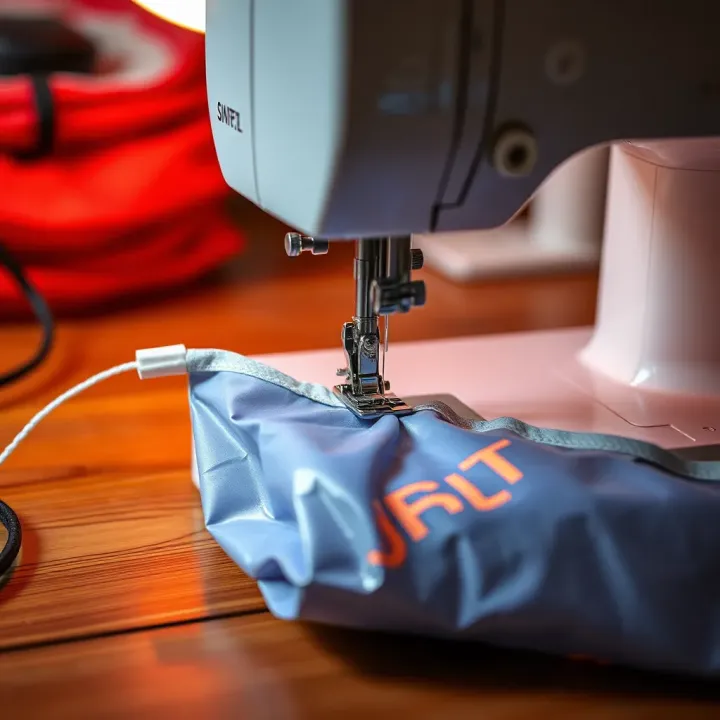
Keep in mind that working with plastic fabric requires a slightly different approach than traditional cloth. The material doesn't stretch much, so precise cutting and careful handling during sewing are key.
The right tools also make a difference. A heavy-duty needle for your sewing machine prevents skipped stitches, while clips can replace pins to avoid leaving holes in the plastic. Choosing a thread that resists moisture and abrasion extends the tote's lifespan.
In terms of design, decide on the dimensions based on how you plan to use the bag—whether it's for groceries, books, or daily carry items. A standard size might be around 15 inches wide, 14 inches tall, with a 4-inch gusset to give some depth and capacity.
Plastic fabric (1/2 yard or more depending on size)
Heavy-duty thread
Sewing machine with heavy needle or hand sewing needles
Scissors or rotary cutter
Measuring tape or ruler
Clips or pins
Getting familiar with the plastic fabric's feel is a good step before cutting and sewing. Lay it flat, test how it folds, and practice stitching on scraps. This hands-on trial helps avoid mistakes later.
Overall, making a plastic fabric tote bag is rewarding and gives you a tough, reusable alternative to single-use plastic bags. With the right prep and materials, your handiwork will last through many trips.
Next, you’ll learn how to prepare and cut your fabric to start bringing your tote to life.
Choosing the right materials and tools sets the stage for a successful tote bag project. Since plastic fabric behaves differently than traditional textiles, picking suitable supplies ensures your bag will be durable, flexible, and practical. The tools you use also make a big difference in accuracy and quality, helping you avoid frustration caused by tears or uneven stitching.
For crafting a plastic fabric tote, not all plastics are equal. Common choices include vinyl, laminated polyester, and waterproof nylon with a plastic coating. For example, vinyl stands out for its water resistance and ease of cleaning, making it a popular pick for reusable grocery bags. Laminated polyester combines strength with flexibility, which is useful if you want a bag that holds shape but still folds easily.
The fabric's durability and flexibility largely depend on thickness and finish. Thicker plastic fabrics resist tearing under weight but can be stiff; thinner options bend well but risk punctures. Look for material with a smooth finish to resist stains and ease cleaning, especially if you plan to carry groceries or toiletries. Ideally, you want fabric that handles daily wear but still feels comfortable to carry.
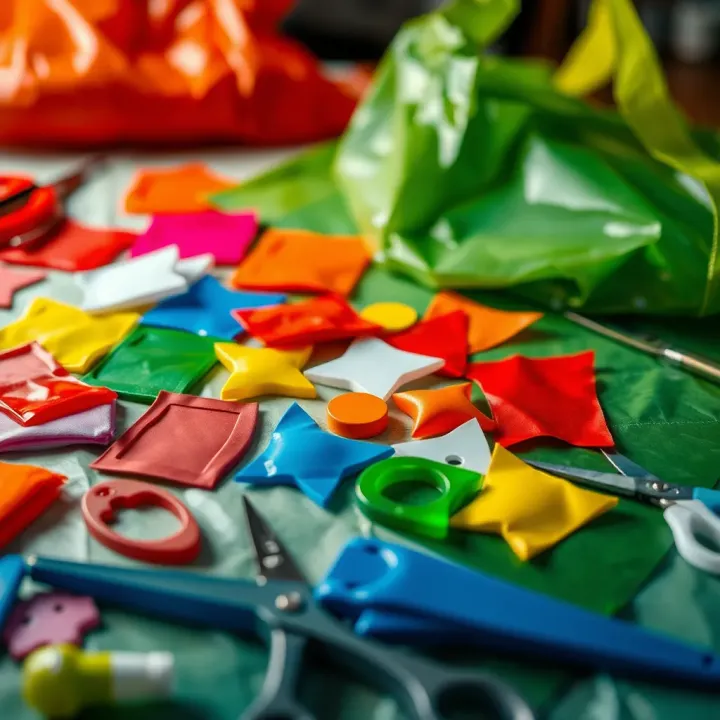
Selecting the right thread and needles is essential because standard sewing supplies may not work well with plastic fabrics. Heavy-duty polyester thread offers strength without stretching, vital to keep seams intact. Needles designed for leather or denim, typically size 90/14, help penetrate the plastic without causing rips or skipped stitches.
Measuring and cutting tools impact precision, especially when working with slippery plastic. A sharp rotary cutter along with a self-healing cutting mat keeps edges clean and prevents frayed sides. Use clear rulers for accurate measuring and marking; fabric chalk often won’t show up well, so consider using a fine marker that won’t bleed.
Optional extras like handles and fasteners bring practicality and style to your tote. Webbing straps made of nylon or cotton blend hold up well and offer comfort. For closures, consider magnetic snaps or heavy-duty zippers—they’re easy to attach and provide a secure way to keep items inside. Reinforced rivets also add strength at stress points where handles connect, giving your tote extra toughness.
Getting the materials and tools right from the start saves time and effort, ensuring your plastic tote bag stands up to real-world use while looking great.
Whether you’re a seasoned DIYer or just starting out, these choices shape the foundation of your project and directly affect how your finished bag performs.
Before diving into making your plastic fabric tote bag, setting up a clean and organized workspace is a must. It helps you avoid mishaps like cutting the wrong piece or losing small parts. A flat, sturdy table or desk that’s large enough to spread out your fabric lays the groundwork for precision and ease. If your kitchen table or a craft desk is your go-to, clear everything off to create ample space. This not only keeps things tidy but also makes measuring and cutting smoother, reducing the chance of mistakes.
Good lighting is just as important as a solid work surface. Natural light during the day works wonders because it shows true colors and details of your fabric. But if you’re working in the evening, make sure your workspace has bright, direct lighting—something like an adjustable desk lamp can help avoid straining your eyes. Ventilation is often overlooked, but when handling synthetic plastic fabric, some odors or dust can hang around. A window nearby or a fan can keep the air fresh, making your workspace more comfortable and safer, especially if you’re using glue or other adhesives.
Cleaning your plastic fabric before you start is a simple step that pays off. Sometimes store-bought plastic fabric has dust, oil residues, or packaging chemicals on it. Wiping it down with a soft cloth dampened with mild soap and water removes these contaminants. Make sure the fabric dries completely before cutting; otherwise, wet fabric can stick, stretch, or lead to inaccurate cuts.
When it comes to measuring and marking, accuracy is key. Use a fabric marker or a fine-tip permanent marker designed for plastics so your lines are clear yet won’t smudge during handling. A metal ruler and a rotary cutter or sharp scissors help make clean, straight cuts that fit your project’s pattern perfectly. Taking your time here prevents wasted material and ensures all pieces fit together well during sewing. Remember, marks shouldn't be too heavy as they could show on the final bag, so light, steady lines work best.
An organized workspace combined with clean, precisely marked material sets the stage for a tote bag that’s not just functional but also looks professional. Skipping these steps usually means more work fixing mistakes later.
Clear a large, stable workspace
Ensure bright lighting and good airflow
Clean plastic fabric before cutting
Use precise measuring tools and marking methods
This groundwork makes sewing your plastic tote bag manageable and enjoyable, even if it's your first time working with this type of material.
This section breaks down the cutting and sewing steps needed to shape your plastic fabric into a functional tote bag. Getting these steps right makes all the difference between a flimsy bag that sags after a few uses and one that can haul groceries or books without a hitch. Focusing on precise cutting and sturdy stitching keeps your project on track and ensures each component fits together cleanly.
Standard measurements for tote bags typically range from 14 to 16 inches in width and 14 to 15 inches in height, with a 3 to 5-inch gusset for depth. These dimensions offer a good balance—big enough to carry items comfortably but not so bulky they drag or fold awkwardly. Tailoring the size to your needs is straightforward, but stick close to these benchmarks to avoid awkward proportions.
When cutting plastic fabric, use a rotary cutter or very sharp scissors for clean edges. Plastic fabrics tend to stick or bend, so placing a sheet of kraft paper underneath can help stabilize the material during cuts. Avoid jagged cuts—they can cause premature splitting or tearing. Mark your lines clearly with a fine-tip permanent marker or tailor's chalk designed for slick surfaces.
Sewing plastic fabric calls for a slightly different touch than cloth. Use a heavy-duty needle (size 90/14 or higher) and polyester thread to keep stitches tight and durable. Sew slowly to avoid puckering, and consider using a walking foot on your machine to feed the fabric evenly. Double stitch at seams to give your bag strength, especially along the bottom where weight concentrates.
For attaching handles, reinforcing the connection points is key. Use either wide, sturdy webbing or plastic fabric strips folded and sewn twice over. Secure the ends with box stitches or multiple rows of straight stitching to prevent them from pulling loose. Position handles about two inches from each side seam for balanced carry.
Adding pockets or compartments ups the functionality of your tote. Sew smaller plastic fabric pieces onto the interior or exterior before assembling the bag. Seal pocket edges well to prevent fraying, and use stitching that can handle the extra stress of keys, phones, or wallets.
Incorporate closures like zippers or snaps if you want extra security for your items. Heavy-duty plastic zippers work best, and can be sewn into the top edge before bag assembly. Snaps provide a simple alternative for quick open-and-close action. Secure these fasteners with reinforced stitching to keep them from coming loose over time.
Taking care during cutting and sewing saves frustration later. Follow these steps closely, and your plastic tote will look good and last long under daily use.
Finishing touches and proper care significantly extend the life of your plastic fabric tote bag. These final steps ensure your tote stays durable and functional, especially since plastic can wear out or fray if not treated correctly. Paying attention to reinforcing edges and stress points prevents small tears that can quickly worsen under daily use. Meanwhile, good cleaning habits and smart storage choices keep the bag looking sharp and working well over time.
Plastic fabric edges are prone to fraying or splitting if left untreated, impacting both appearance and strength. To avoid this, sealing edges with a heat source like a hot knife or a heat sealer can weld the fabric fibers together, creating smooth, sealed edges that resist unraveling. Alternatively, using a strong binding tape or bias tape along seams adds a layer of protection. For example, a double-fold bias tape stitched around the edges lends structure and guards against splitting.
When it comes to handling heavy loads, reinforcing areas that bear stress—such as where handles connect to the body—makes a big difference. Using extra stitching like bar tacks or box stitching at these points locks the fabric layers firmly together. Adding small fabric patches or interfacing behind handles can distribute weight evenly and cut down on wear. Without reinforcement, these high-stress spots often wear out first, leading to failure sooner than necessary.
Cleaning a plastic tote requires a gentle approach since harsh chemicals or rough scrubbing can damage the fabric's surface or finish. The best method is wiping the bag down with a damp cloth using mild soap and warm water. Avoid soaking the bag completely, as excess water trapped in seams might cause mildew. For tougher stains, a soft brush or a sponge can help lift dirt without damaging the plastic fibers.
Storing your tote properly also preserves its shape and function. Keep it in a cool, dry place away from direct sunlight, which causes plastic to degrade and fade over time. Hanging the bag or laying it flat prevents folds and creases that can weaken the fabric. Using a breathable storage bag instead of airtight plastic containers helps avoid trapped moisture, further extending the tote's lifespan.
Applying these finishing touches and maintenance tips will keep your plastic fabric tote bag tough and ready for daily use, saving you money and hassle down the road.
By following these practical steps, your handmade tote will stay strong and clean through countless errands and adventures.
📈 Descubra estratégias para opções binárias que aumentam seus lucros e segurança. Aprenda análise, gestão de risco e evite erros comuns no mercado.

📘 Curso de Gestão de Riscos: Conheça os principais conceitos, tipos de curso no Brasil e benefícios para profissionais e empresas. Saiba escolher o ideal! 🎯

📊 Saiba como fazer uma análise de mercado detalhada no plano de negócios para entender público, concorrência e tendências, garantindo decisões estratégicas eficazes.

💡 Descubra como funcionam as plataformas de opções binárias, conheça os riscos e dicas para escolher uma plataforma segura antes de investir seu dinheiro!
Baseado em 5 avaliações